










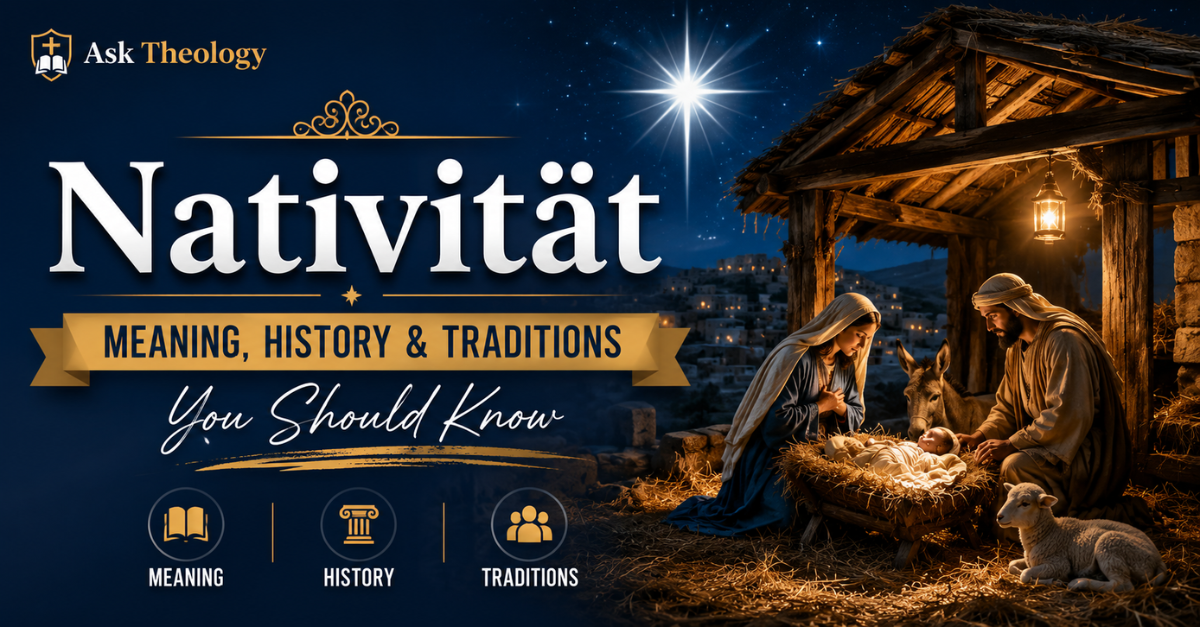
Introduction to Nativität
As the winter holidays draw near, the word “natalität” has unique meaning for many different nations and customs. In my mind, I see peaceful nativity scenes, happy family get-togethers, and festive festivities. However, what is the true meaning of Nativität? In addition to its religious importance, it brings with it a complex web of traditions that go back many centuries.
In this engaging exploration, we will learn where the holiday of Nativität came from, how it is observed in different ways throughout the world, and why these customs are still so meaningful today. Everyone may find something to enjoy here, whether they are well-versed in holiday rites or just curious to find out more. Come along on this educational adventure with us!
The Origin and History of Nativität
To be born is the original meaning of the Latin word “nativitas,” from which the English word “Nativität” derives. The birth of Jesus Christ, central to Christian belief, is the event to which it alludes.
Even in the first Christian ages, this festival was honored. In the beginning, it was characterized by meetings of believers and feasts. As diverse civilizations began to celebrate this momentous anniversary, new traditions began to take shape.
As a result of its alignment with pagan celebrations of light at the winter solstice, December 25th came to be commonly recognized as Jesus’ birthday by the fourth century. This calculated move paved the way for the incorporation of Christian teachings into preexisting practices.
Nativität was practiced in different ways by different communities as they developed. Over the years, several cultures have infused the holiday with their own special flavor, from simple nativity displays that portray the birthplace of Christ to elaborate church services replete with hymns and prayers. A complex tapestry of faith and tradition from different cultures is woven throughout the past.
Different Traditions and Celebrations Around the World
Celebrate Nativität with a wide range of customs that mirror the values and beliefs of the host community. Many Latin American nations commemorate Las Posadas by carrying out the story of Mary and Joseph’s search for safety. At the end of the nine days, there will be celebrations with food and music.
Christmas Eve is all about the Feast of the Nativity in Italy. An extravagant supper is prepared and served to the family in preparation for midnight mass, which frequently features ornate nativity representations known as “presepe.”
Advent calendars in Germany count down the days till Christmas. Festive markets adorn communities with twinkling lights and seasonal brightness, while stollen sweets represent the joy of the season.
During Ganna, which takes place on January 7th, Ethiopians observe Nativität. Fasting and celebration with traditional dishes like injera are part of a distinctive combination of Christian rites.
These many traditions show how the celebration of Nativität is celebrated all throughout the world, with different communities and faiths coming together in unique ways.
Christian Perspectives on Nativität
The Christian understanding of Nativität originates in the commemoration of the birth of Jesus Christ. For many, this is a watershed moment in history, a symbol of salvation and love.
Nativity symbolizes hope for a lot of Christians. A central theme of the novel is God’s readiness to engage human history from the most lowly of backgrounds. It serves as a reminder to believers that extraordinary achievements may arise from humble beginnings.
There are many different rituals and customs that different religions use to understand this event. Each tradition, from midnight masses to nativity plays, promotes a sense of community while highlighting distinct religious ideas.
There is great significance in the Nativity scene as well. As a visual reminder of religion and family, believers frequently showcase these sceneries at home or church throughout the holiday season.
Nativity is more than a one-time event; it is a lifelong call to spiritual contemplation and devotion for Christians all over the globe.
Modern Celebrations and Customs
Nativität festivities in the modern era have changed to reflect more inclusive attitudes and ethnic variety. In order to make the celebrations more accessible, several towns combine modern elements with long-standing traditions.
Christmas markets set up in cities and towns, selling local arts and crafts, holiday foods, and music. Families get together to savor these moments as a way to celebrate the season.
The Nativity tale is given a contemporary twist in several areas’ theatrical productions. To better connect with their audiences, these plays frequently use local languages and traditions.
The way individuals celebrate is now more widely shared thanks to social media. With virtual gatherings, faraway loved ones may still light candles or share a meal via video chat, for example, if they live far away.
Modern Nativity celebrations are characterized by imaginative decorations. In addition to conventional symbols, homes are ornamented with one-of-a-kind personal touches that mirror the experiences and histories of the homeowners.
Why is Nativität Still Relevant Today?
Beyond its historical significance, Nativität is deeply meaningful to many people. It brings solace in the midst of contemporary life’s mayhem by representing rebirth and optimism.
People crave for a sense of belonging in today’s hectic environment. The Nativity narrative takes us back to a simpler period, when we loved spending time with our families and sharing special moments together.
The universality of kindness and compassion is a strength of this work. They inspire us to help those in need and promote harmony among different populations.
Expressions of inventiveness associated with Nativität in the arts persist. All of these aspects, from the beautiful nativity scenes to the comforting music, contribute to our cultural history and make the holiday seasons more special.
The core of Nativität encourages people to take constructive action while we face problems like social inequality and climate change. Its message will endure for centuries to come because of how relevant it is.
Conclusion
There is a wealth of cultural importance, history, and meaning woven into the very fabric of Nativität. A great many customs have their roots in the Christian account of Jesus’ birth, which has endured for millennia. As a spiritual festival with deep historical and cultural origins, this occasion is celebrated in different ways by different civilizations across the world.
There is a wide range of manifestations that continue to develop around Nativität, from magnificent nativity scenes shown in houses and churches to lively celebrations with music and dancing. The Christian worldview emphasizes the redemptive power, joy, and hope inherent in this holy event.
Nativität is still relevant in today’s world because it encourages individuals to connect with one another via shared experiences, even as social ideals change and new traditions arise. Holiday celebrations, whether at home or in the community, bring people together in love and harmony.
We can observe how intrinsic Nativität is to our culture when we delve into its history, customs, and lasting importance. By participating in these festivities, we may pay tribute to the shared values that unite people of all faiths and cultures as well as their sacred beliefs.
Read More: Fkstrcghtc Explained: Meaning, Uses & Latest Online Trends