










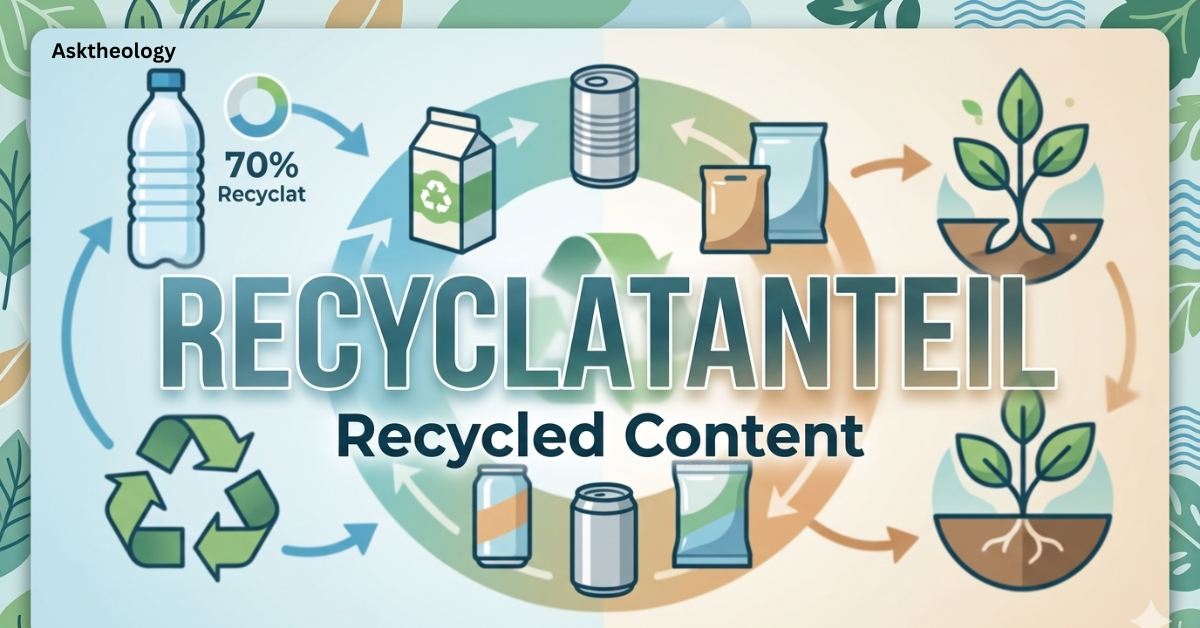
The phrase “Recyclatanteil” is gaining popularity as people become more conscious of their ecological impact. This German term, which means “recycled content,” has become a key idea in sustainable production methods. Businesses are realising the value of incorporating recycled materials into their operations as customers seek eco-friendly products.
Recyclatanteil’s concept is straightforward but effective: businesses can drastically cut waste and conserve resources by utilising materials that have previously been processed and returned into the production cycle. What does this mean for sustainability, though? What advantages do companies receive from using such strategies?
Come learn more about Recyclatanteil, its benefits for industrial processes, and how to successfully integrate it into your company plan. Together, let’s unleash the power of recycled material!
Understanding the Importance of Recyclatanteil for Sustainability
In order to achieve sustainability, recyclable steel is essential. Businesses can greatly lessen their environmental effect by using recycled materials in their production processes.
Utilising recycled materials reduces the need for raw resources. This reduces the amount of energy used in the extraction and processing of raw materials while also protecting natural environments.
Additionally, it lessens the buildup of waste in landfills. Every product that uses recycled materials reduces the number of items that could endanger the environment.
Customers are more likely to trust and stick with firms when they witness their dedication to high recycling standards. It conveys accountability and environmental consciousness.
A circular economy, in which resources are reused rather than thrown away, benefits from every percentage rise in recyclable materials. Adopting this approach paves the way for long-lasting transformation for next generations.
Advantages of Using Recyclatanteil in Production
There are numerous benefits of using Recyclatanteil in manufacturing that are advantageous to both companies and the environment. It drastically lowers the price of raw materials. Businesses can reduce the costs of obtaining virgin resources by incorporating recycled materials.
Furthermore, using recyclable materials improves brand perception. Sustainable products and eco-friendly methods are gaining popularity. A corporation can differentiate itself from its rivals by utilising recycled content.
Additionally, using recyclable materials helps reduce waste. By reducing landfill contributions and encouraging ethical consumption habits, it promotes the concepts of the circular economy.
Businesses that use recyclable materials find it easier to comply with regulations. Stricter regulations pertaining to sustainability are being implemented in many areas; adhering to these guidelines might reduce possible penalties or limitations while promoting goodwill among stakeholders.
You May Like: Fkstrcghtc Explained: Meaning, Uses & Latest Online Trends
How to Incorporate Recyclatanteil into Your Business
The first step in integrating Recyclatanteil into your company is to assess the materials you already use. Determine whether goods or packaging may be converted to recycled materials without sacrificing quality.
Next, work with vendors who are experts in sustainable materials. Creating alliances with these vendors guarantees a consistent supply of recyclable materials.
Inform your staff about Recyclatanteil’s uses and advantages. Innovation and original ideas for incorporating recycled content are stimulated by knowledge.
To increase recycling in production processes, think about establishing quantifiable goals. To keep yourself motivated and accountable, track your progress on a regular basis.
Inform your clients about your sustainability initiatives. In addition to fostering trust, transparency increases brand loyalty among environmentally sensitive customers.
Case Studies: Companies Successfully Implementing Recyclatanteil
When it comes to incorporating Recyclatanteil into their production processes, a number of businesses are setting the standard. Unilever, which has pledged to use recycled materials in its packaging, is one such example. In addition to cutting waste, this program establishes a benchmark for other brands.
Coca-Cola is another example of success. By 2030, the company wants its PET plastic bottles to contain 50% recycled material. Their involvement in recycling technologies is an example of how big businesses may promote sustainable practices and increase brand loyalty.
BMW has embraced recyclable steel in the automotive industry by integrating it into a number of car parts. This strategy attracts customers who care about the environment and drastically reduces carbon emissions.
These case studies show that using Recyclatanteil is not only environmentally friendly but also a wise business decision that satisfies customer desire for sustainability.
Challenges and Solutions for Increasing Recyclatanteil Usage
The impression of quality is a significant obstacle to growing the use of recyclatanteil. A lot of customers think that goods manufactured from recycled materials are subpar. This misunderstanding may prevent wider acceptance.
The erratic supply chain for repurposed materials is another obstacle. Businesses frequently have trouble finding reliable sources of high-quality recyclate. Businesses are reluctant to commit to using Recyclatanteil in the absence of dependable access.
Education is essential to addressing these problems. Customers’ attitudes can be considerably changed by educating them about the advantages and potential of recycled goods.
Industry-wide cooperation also provides a solution. Businesses may guarantee a consistent supply of high-quality recyclates for their manufacturing requirements by collaborating with recycling facilities and suppliers.
Investing in technology that improves recycling procedures would increase material availability and quality, opening the door for greater Recyclatanteil acceptance in a number of industries.
Conclusion
Recycled materials are essential for advancing sustainability in a variety of industries. In addition to lessening its negative effects on the environment, its integration creates new opportunities for economic growth and innovation. Businesses can improve their brand image and help create a more sustainable future by adopting recyclable materials.
Understanding the present environment is essential for businesses wishing to use this strategy. As technology advances, ongoing research and adaption will be crucial. The successful case studies demonstrate that any firm can benefit from greater sustainability with dedication.
Higher recyclate levels are difficult to implement, but technology improvements and teamwork are helping to find answers. Businesses must align themselves with these ideals as consumers grow more environmentally sensitive.
Adopting recyclable materials is more than simply a fad; it’s a chance for development and accountability for the health of our world. Companies that are prepared to take on this task will probably end up at the forefront of a more environmentally friendly future.
Read More: Nativität Meaning, History & Traditions You Should Know